

Pantomogram
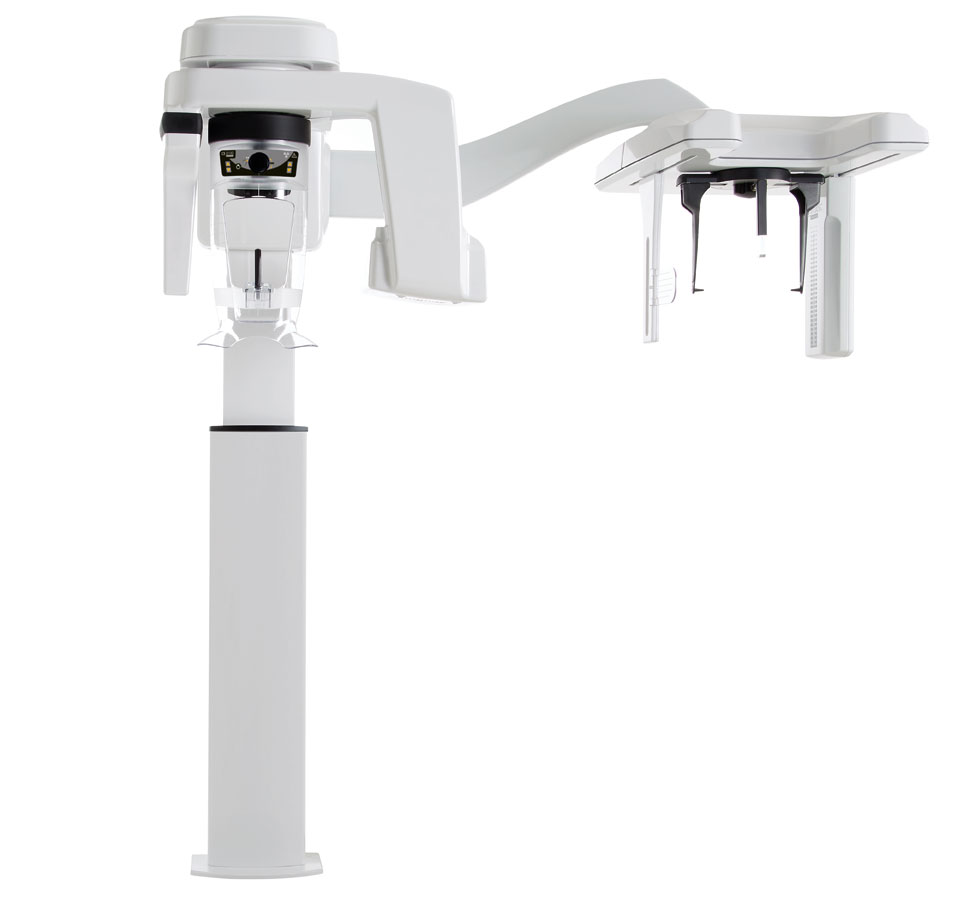
A pantomogram (a.k.a. pantomographic or panoramic dental radiograph) is an overview photograph of all the teeth in the mouth and the tissues around them. It constitutes the basic X-ray examination in dental diagnosis. This photo is used to assess the patient's condition and plan comprehensive treatment. Thanks to the pantomogram, the doctor is able to detect foci of infection in the bone tissue around the teeth (including those that develop asymptomatically), indicate improperly endodontically treated teeth and areas with carious cavities. In the case of children, the degree of development of the permanent tooth buds and their position are assessed. The pantomogram is primarily useful in the field of dental surgery for the initial assessment of the amount of bone tissue and the position of important anatomical structures, such as the inferior alveolar nerve canal or the floor of the maxillary sinus. A pantomogram is also performed in the initial planning of implant treatment and to assess the position of retained teeth. Prosthodontists and orthodontists also use this photo to plan long-term treatment procedures. A pantomogram is an examination that carries many diagnostic benefits, so it is recommended that it be performed before any dental treatment begins.
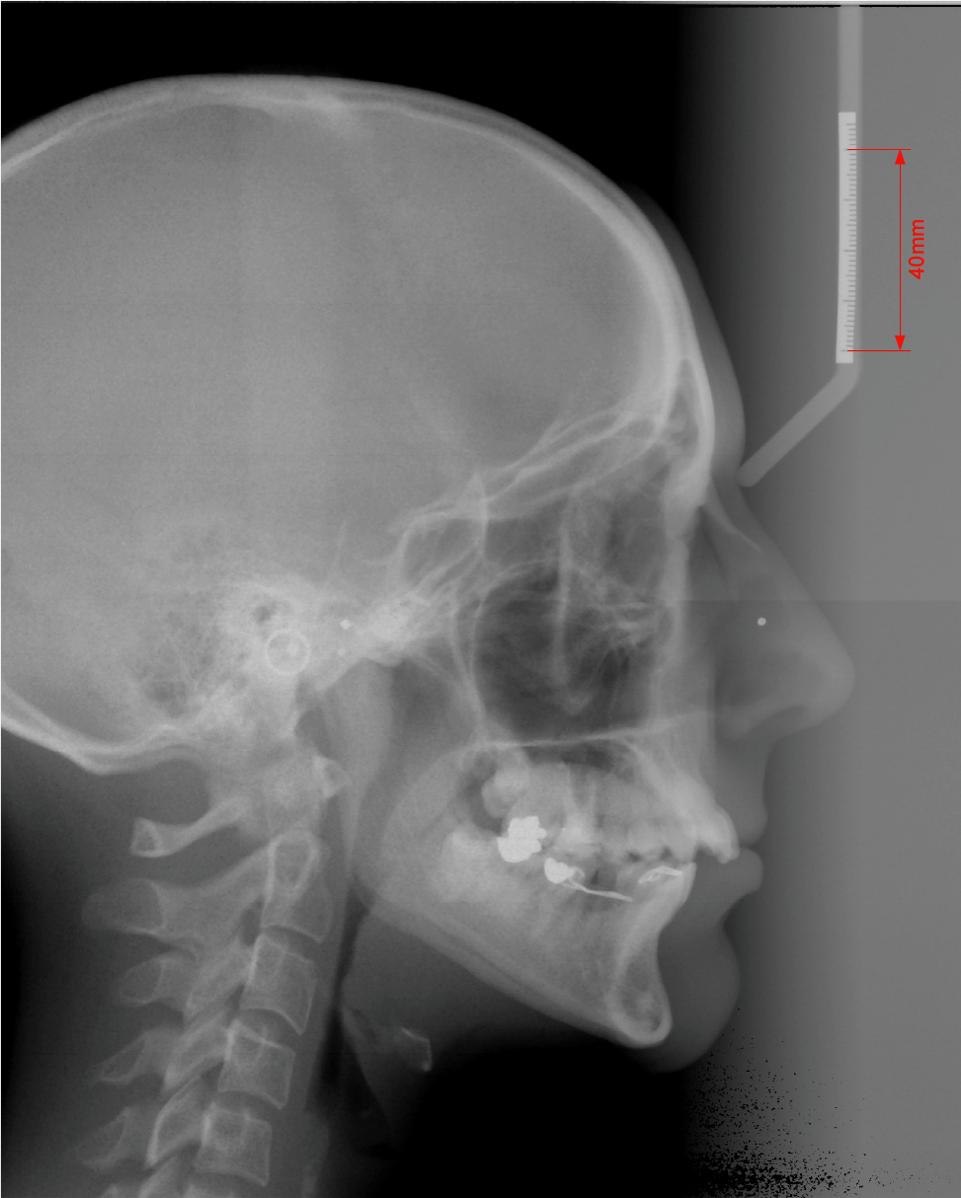
Cephalometry
The main field of dentistry that uses cephalometric photography for diagnostic purposes is orthodontics. Based on the cephalometric photo, the orthodontist can determine the anatomical causes of malocclusion, determine the bone age of the patient, which is especially important in young patients, and take the appropriate measurements between characteristic points, which are necessary for proper treatment planning. This photo is taken in lateral projection and shows the skull, hard and soft tissues of the face, palate and paranasal sinuses.
CBCT (computed tomography)
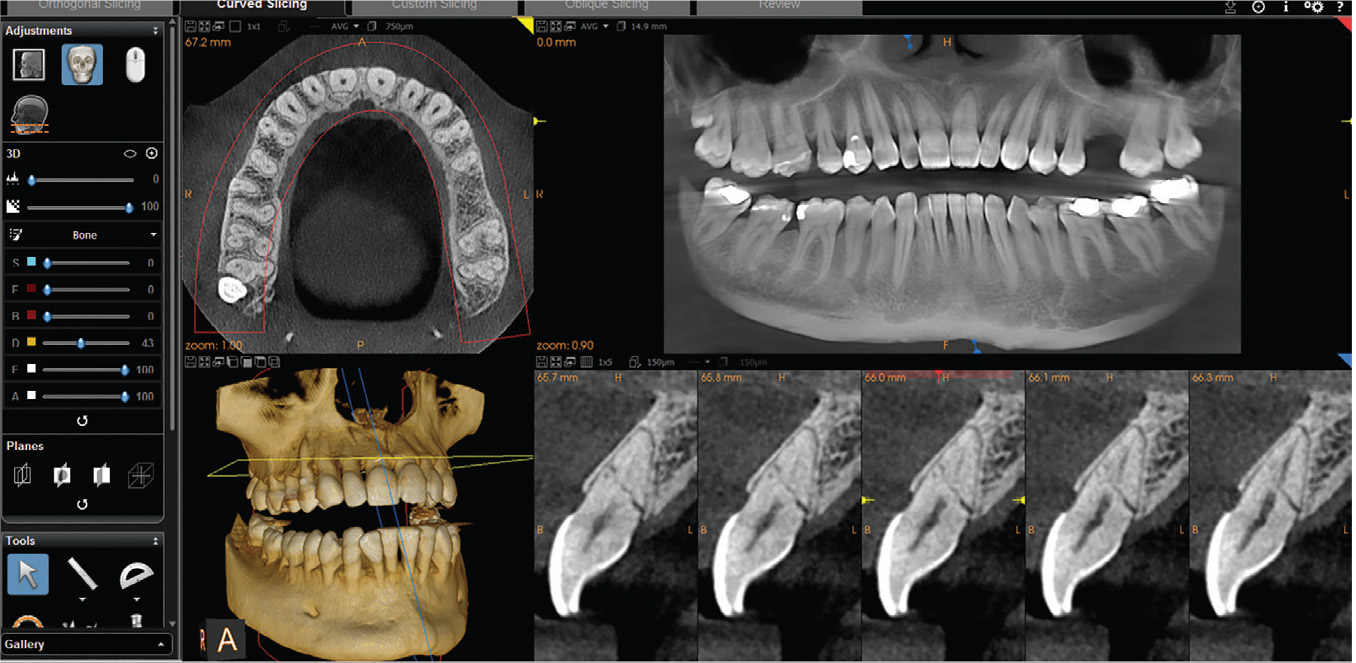
In modern dentistry, the most appropriate assessment of the condition of teeth is provided by radiographs taken using a 3D technique. CBCT, or cone-beam computed tomography, is a multiplanar imaging technique in which an X-ray machine takes a series of flat images, which a computer later assembles into a 3D image. Depending on diagnostic needs, the size of the imaging field can vary (from a single tooth to the entire jaw). CBCT in modern dentistry replaces pantomographic, dental, cephalometric, occlusal and temporomandibular joint radiographs.
CBCT has applications in virtually every field of dentistry. In difficult surgical cases, it makes it possible to assess the distance of the tooth from sensitive areas that could be affected during surgery, minimizing this risk. In implantology, it makes it possible to accurately measure the alveolar process and plan the position of the implant. The endodontist can order a CT scan of a single tooth to assess any fractures or breaks in the tooth, the anatomy of the canals. Three-dimensional images are also useful in the diagnosis of intra-articular pathologies. With their help, the structure and position of the mandibular heads in the acetabulum of the joint, degenerative changes in the bony structures, injuries (fractures or dislocations) are evaluated.
Offer
Warsaw Ochota
Address:
ul. Dorotowska 9
02-347 Warsaw
Phone: +48 501 328 772
E-mail: recepcja@ddclinic.pl
Opening hours:
Monday - Friday: 9:00 - 20:00
Saturday: closed
Warsaw Ursynów
Adres:
ul. Migdałowa 10 lok.5
02-796 Warszawa
Telefon: +48 502 070 050
E-mail: recepcjaursynow@ddclinic.pl
Godziny otwarcia:
Poniedziałek - Piątek: 12:00 - 20:00
Sobota: nieczynne

