wcag.settings_options wcag.wcag
wcag.contrast_icon

T (Ochota):  +48 501 328 772

T (Ursynów):  +48 502 070 050

pl en

Orthodontic diagnostics

The diagnostic and preparation stage of orthodontic treatment may involve as many as several visits to the dental office, which will lead the doctor and patient to establish a treatment plan.
At the first consultation, the doctor assesses the patient's psycho-physical condition by conducting a general medical history and clinical examination, and based on this, talks to the patient about the type of defect, and determines the extent of diagnostic tests needed to plan treatment.

During the next clinic visit, the patient performs a basic set of diagnostic tests and preparatory activities usually including:

Radiographs

Pantomogram
The photo, which shows the teeth, jaw, mandible and temporomandibular joints, allows assessment of periodontal structures and bone, and highlights changes requiring endodontic and conservative treatment, which must occur before orthodontic treatment. In the case of children, the pantomogram visualizes the ligaments of permanent teeth and their position.

Cephalometry
This photo is taken in lateral projection and shows the skull, hard and soft tissues of the face, palate and paranasal sinuses. Based on the cephalometric radiograph, the orthodontist can determine the anatomical causes of malocclusion, determine the patient's bone age, which is especially important in young patients, and take the appropriate measurements that are necessary for proper treatment planning.

Intraoral scans

This is an essential part of malocclusion analysis. From the scans, spatial digital orthodontic models are created, giving a full picture of the initial situation. Digital scans performed at our clinic with the 3ShaoeTRIOS3 intraoral scanner have eliminated standard alginate impressions in most cases.

Photographs

A set of color external and intraoral photographic images is an important part of the overall treatment. By photographing the patient, we record in detail and accurately the alignment of the patient's teeth, facial and head appearance in order to compare them at each stage of treatment and afterwards. We have a special, professionally equipped photo studio, and all the photographs we take are carefully archived.

In certain cases (e.g., adults with periodontal disease or a large number of treated teeth), orthodontic diagnostics can be expanded to include computed tomography (CBCT) - the most detailed, multifaceted way to visualize the system of internal structures that make up the chewing apparatus. Tomography allows assessment of changes in the periodontium, the condition of the temporomandibular joints or retained teeth (such as eights). This examination is especially necessary before major orthodontic surgery.


Extended diagnostics, including according to the VieSID protocol

If the orthodontist suspects or identifies muscle and temporomandibular joint dysfunction, specialist consultation and diagnostic management according to the VieSID protocol [link to VieSID description]. Its key element is the examination and aCondylography (dorotowskadentalclinic.pl)

Patients with missing teeth or prosthetic restorations may require consultation with a prosthodontist or implantologist prior to orthodontic treatment to determine a common treatment plan and the extent to which the patient is prepared orthodontically for restorative treatment. On the other hand, patients with periodontal problems, periodontal disease, and gingival recessions need a periodontal consultation to assess the extent of orthodontic movement options or to incorporate adjunctive treatments for safe orthodontic treatment, such as. corticotomy.

A coherent and effective multidisciplinary treatment plan focuses no longer just on aligning the arch teeth, but also on restoring normal breathing, speech, swallowing, biting and aesthetic functions. This holistic treatment philosophy, named after its creators, the Japanese-Viennese school of orthodontics according to Sato and Slavick, is based on finding and eliminating the cause of disorders leading to malocclusion, and you can read more about it on our blog: Orthodontics (dorotowskadentalclinic.pl) and Orthodontic Treatment (dorotowskadentalclinic.pl)

We believe that with all the above-mentioned elements of the diagnostic procedure, it is possible to plan a proper, effective orthodontic treatment with a method appropriate to the problem.

After the diagnostic tests, the orthodontist proceeds to analyze their results and develop a treatment plan, usually in several variants. The treatment plan is discussed with the patient at the next visit. Before the final decision to undertake orthodontic treatment, the doctor answers questions and tries to resolve any doubts the patient may have. It's important that the patient, when deciding on a particular treatment option, knows exactly its possibilities and limitations, so the entire plan is presented in writing and requires the patient's consent in this form.

Additional activities

During the diagnostic stage, parallel to the examinations performed, the patient's teeth are prepared for braces, i.e. they must be cleaned of plaque and calculus and, if necessary, treated conservatively or endodontically. Depending on the initial condition of the teeth, this can take from one to several visits to the dentist's office.


Orthodontics - Questions & Answers

A child's first visit to an orthodontist should occur around age 4.  This does not mean that the child will be treated right away, but we are able to assess how the eruption of permanent teeth and the growth of the jawbone may proceed and whether it will affect the development of malocclusion. This will allow us to plan the optimal time to start treatment. It is important to eliminate bad habits and assess the patency of the respiratory tract (allergies, enlarged tonsils, snoring), as this has an impact on the development of malocclusion.

Orthodontic therapy is possible for all people regardless of age - starting with a few years old children and ending with the elderly. The prerequisite is that there is no unstable periodontal disease and that all teeth are conservatively cured.

The duration of wearing braces on teeth depends on the type of defect and usually lasts from one to three years.

Yes, permanent braces do not eliminate the possibility of ongoing dental treatments for tooth cavity repair or hygiene. During orthodontic treatment, the patient should attend regular dental check-ups.

The application of the braces itself is not painful. The brackets are glued to the teeth, and patients typically hardly feel it. However, in the first few days after they are applied, discomfort may arise due to the brackets rubbing against the inside of the mouth. We can alleviate these symptoms by using special orthodontic wax on the brackets. The forces acting on the teeth may cause discomfort and pain in the first days after the braces are put on and after follow-up appointments. Patients may also feel the mobility of their teeth, which is associated with their shifting.

When wearing braces, it is important to avoid products that can promote cavities (such as fruit juices and sweets) as well as hard foods (like carrots, crackers, and apples) — these should be cut into pieces, as biting into hard items can cause brackets to become detached. Staining foods (such as curry and red wine) can change the color of the ligatures. Foods with small particles (like poppy seeds and sesame) as well as chewy and sticky foods (like toffee and gum) can also pose challenges. If you choose aesthetic braces (with cosmetic brackets), it’s advisable to limit the intake of strong coffee, tea, and smoking, as these can stain the ligatures.


Maintaining oral hygiene with fixed braces can be challenging due to limited access to the entire surface of the teeth, making them more susceptible to cavities. Food particles left in the spaces between the brackets should be thoroughly removed with a toothbrush after every meal, supplemented with flossing and rinsing with a special mouthwash. There are specific tools for caring for braces and teeth, such as interproximal brushes, specialized toothpaste, and rinses. The orthodontist will inform the patient about the options and recommendations for proper oral hygiene.

Orthodontic treatment is a medical procedure, and like other medical interventions, it is not entirely predictable and may be associated with complications. In medical terminology, a complication is an undesirable event resulting from the treatment. Possible complications of orthodontic treatment with fixed braces may include:

  • Cavities and enamel demineralization: This is often the result of inadequate oral hygiene.
  • Temporomandibular joint pain: Often caused by excessive clenching and grinding of teeth.
  • Allergic reactions: In rare cases, there can be allergies due to increased levels of nickel, chromium, or copper ions from the orthodontic appliance.
  • Gum overgrowth: Usually caused by poor oral hygiene.
  • Periodontal diseases: Particularly in patients who had pre-existing gum disease prior to treatment; in such cases, orthodontic treatment should be monitored by a periodontist.
  • Root resorption: The shortening or destruction of tooth roots.
  • Necrosis of the dental pulp: This refers to the death of the tooth's nerve tissue.

Orthodontic treatment is always an individual process tailored to each specific case. Decisions regarding tooth extraction are based on a personalized treatment plan. After treatment, the teeth should be positioned within the alveolar bone. It is not always possible to safely expand the dental arches to accommodate all the teeth, as this could sometimes lead to gum recession—exposing the necks of the teeth, which can cause sensitivity and worsen periodontal health. The orthodontist considers the patient's facial features and ensures that the bite functions correctly after treatment.

Removing fixed braces does not signify the end of orthodontic therapy, although having straight teeth may suggest that no further steps are necessary. However, it is essential to monitor the results of orthodontic treatment, as teeth are held in their sockets by periodontal fibers that tend to shift them back to their previous positions.

To ensure the stability of orthodontic results, it is crucial to complete any planned prosthetic work, replace fillings, and restore worn tooth surfaces. Teeth with proper anatomical shapes (with the right cusps, grooves, and lengths) and a good bite maintain treatment results better.

To solidify the effects of orthodontic therapy, retention treatment is employed, which can be either fixed or removable. Fixed retainers consist of thin metal wires bonded to the lingual surfaces of the front teeth, making them virtually invisible. Removable retainers typically come in the form of a plate that the patient must wear every night or a clear, thin aligner perfectly fitted to the shape of the teeth. The retention period is individually determined by the orthodontist.

The emergence of new gaps between teeth or the shifting of teeth in different directions during orthodontic treatment is normal and a temporary phase of the therapy. These changes are part of the process and ultimately lead to the intended goal of achieving evenly aligned and symmetrical teeth.

The duration of orthodontic treatment always depends on the specific type of malocclusion. The self-ligating braces in the Damon system can accelerate certain tooth movements; for example, they make it easier to address tooth rotations or close extraction gaps. However, the overall treatment time will still vary based on individual cases.

Like other orthodontic treatment methods, the total cost of Invisalign treatment depends on the individual case and treatment progression. The price of the aligners varies based on factors such as whether the treatment is for one or both arches and how many aligners will be needed (typically ranging from 7 to 14).

The total cost of orthodontic treatment depends on various factors, such as the chosen method of treatment, the number of follow-up visits (which depends on the specifics of the malocclusion and the course of treatment), and any additional procedures that may be necessary. When deciding on orthodontic treatment, patients always receive a treatment plan and cost estimate for approval.

In every case, cost components to consider include: initial consultation, preparation of the teeth (cleaning and any necessary restorative treatment), diagnostics (impressions, X-rays), the braces themselves, follow-up visits, and retention appliances. After treatment and during the process, regular dental cleanings may be needed in case of tartar or plaque buildup, along with check-ups with the dentist. It's important to remember that the total cost of orthodontic treatment is typically spread out over time, so payment is not required all at once.

The choice of orthodontic appliance primarily depends on the type of malocclusion and which aspect of the issue is the most difficult to address. This assessment is made by the orthodontist. Procedures that can shorten treatment time include orthodontic microimplants, which allow for the movement of one or a group of teeth in the desired direction with little to no reaction forces affecting the remaining teeth. Another method that accelerates orthodontic treatment is the use of appliances with skeletal anchorage, either palatal or zygomatic (based on the palatine bone or zygomatic arch).
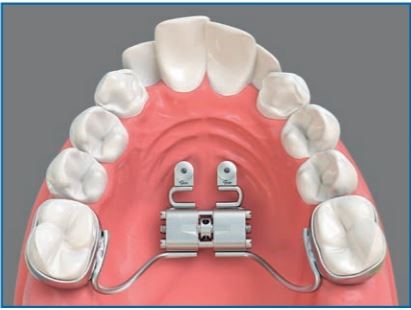
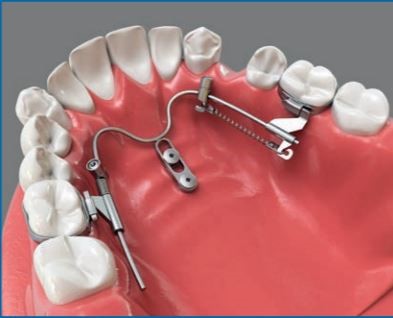
   

Skeletal Anchorage in Orthodontic Treatment, Benefit System, Orto Trading


Every appliance that doesn't use rubber bands is a self-ligating appliance, but not every self-ligating appliance is a Damon appliance.

Back

Warsaw Ochota

Address:
ul. Dorotowska 9
02-347 Warsaw

Phone: +48 501 328 772

E-mail: recepcja@ddclinic.pl

Opening hours:
Monday - Friday: 9:00 - 20:00
Saturday: closed

Warsaw Ursynów

Adres:
ul. Migdałowa 10 lok.5
02-796 Warszawa

Telefon: +48 502 070 050

E-mail: recepcjaursynow@ddclinic.pl

Godziny otwarcia:
Poniedziałek - Piątek: 12:00 - 20:00
Sobota: nieczynne

© 2026 by Dorotowska Dental Clinic All rights reserved
Tworzenie stron internetowych - Jellinek Tworzenie stron internetowych - Jellinek