wcag.settings_options wcag.wcag
wcag.contrast_icon

T (Ochota):  +48 501 328 772

T (Ursynów):  +48 502 070 050

pl en

Orthodontic braces

Orthodontic treatment uses braces, which are divided into two groups: removable and fixed.

Fixed braces

Fixed braces allow you to control the movement of teeth in three planes. They are attached to the patient's teeth and cannot be removed from the mouth. They can come in traditional (with brackets and ligatures) or ligature-free form. A ligature is a small rubber band responsible for holding the orthodontic arch in each bracket (it can be colorless or colored).

Traditional braces are constructed of:

  • brackets, which, attached by adhesive to the tooth, mediate the transmission of force to it,
  • tubes or rings worn on the molars,
  • active elements in the form of ligatures, springs, chains.
  • arch, which is mounted to the brackets on the teeth with rubber-ligatures, which can be colored or barely visible and are replaced at each visit.

As for the appearance of the braces, the patient can opt for:

  • aesthetic braces (which have porcelain brackets that are close in color to the color of the teeth or crystal brackets, that is, transparent)
  • metal braces (having metal brackets) in traditional version with ligatures or ligature-free version

Appliance with Clarity™ Advanced 3M™ ceramic brackets


Victory Series™ 3M™ metal lock


Clarity™ Advanced 3M™ Ceramic Clasp


When wearing aesthetic braces, avoid smoking and eating foods that can discolor ligatures (coffee, tea, curry). Those who are particularly concerned about the aesthetic aspect should consider porcelain ligature-free braces.

Non-ligature braces (Damon system)

While in traditional braces the arch is attached to the brackets with elastic ligatures (the so-called "rubber bands"),in braces without brackets the arch is attached to the brackets with elastic ligatures. While in traditional braces the arch is fixed to the brackets with elastic ligatures (so-called rubber bands), in braces without ligatures the brackets are fixed to the arch with a special flap. The arch of this appliance has the ability to move freely along the line of teeth, which reduces friction and mechanical pressure on the teeth. The most efficient sliding mechanics occurs in ligature-free metal braces. With this solution, hygiene is easier to maintain, and the patient experiences less discomfort due to reduced forces and less risk of mucous membrane irritation. Ligature-free braces are perceived as more aesthetically pleasing than traditional ligatures.


Lock Types (Damon System)
System Damon has several types of brackets: metallic Damon Ultima, Damon Q2 and highly aesthetic Damon Clear ceramic brackets.


Appliance 2+4

Partial 2x4 fixed braces are used in early orthodontic treatment for younger children with mixed dentition (part deciduous teeth, part permanent). The 2+4 braces consist of two elongated brackets attached to the molars and four brackets attached to the front permanent incisors. The brackets are connected by an arch, while additional accessories, such as springs or chains, can be fitted to the braces during treatment. The 2+4 braces make it possible to correct many bite defects in a relatively short period of time, especially in the alignment of the front teeth and the initial widening of the arches.


Hyrax

Hyrax screw apparatus is a fixed apparatus, thick-walled, used mainly in children to expand the maxilla or mandible. The appliance consists of a screw, rings and a metal span, and may also have hooks for attaching a face mask. A variant of the Hyrax appliance is the Hybrid Hyrax, which consists of two palatal micro-implants and metal spans on either deciduous or permanent molars.


Wearing Hyrax may precede the wearing of other fixed braces, as its purpose is mainly to expand the space of the maxillary or mandibular arch and, in combination with a facemask, to treat Class III malocclusion.


Face mask

Hyrax treatment is sometimes carried out in combination with a face mask. A facemask is an external inversion extractor used to treat an anterior overbite formed against a background of insufficient jaw growth. The facemask is usually applied to patients in the growth phase. The effect of its use can be to avoid surgery. The face mask should be worn as long as possible during the day, as its effectiveness depends on this.


Apparatus Lip Bumper

The appliance is used to expand the dental arches in the maxilla and/or mandible. It takes the form of an individually bent, thick wire, the ends of which are fixed in rings on the molars, similar to traditional braces. The wire is surrounded by a soft, rubber sheath and runs between the teeth and the lips and cheeks. Lip Bumper is a brace that is hardly visible in the patient's mouth. Due to its contact with mucous membranes, it sometimes causes discomfort and irritation. The braces activate the muscles of the lips and cheeks to verticalize the lateral teeth, resulting in gaps between the teeth in the lateral sections. With the newly created spaces, we can straighten the teeth. The most convenient time to wear Lip Bumper braces is during the late period of mixed dentition. It can also be used as a supplementary appliance in adult patients to verticalize the lateral teeth or widen the lower arch


Microimplants

Microimplants, which are small screws temporarily installed in the mouth, are used in orthodontics to support treatment with braces. Microimplants are mechanical stops screwed into the bone of the dental arch or palate that prevent a tooth or group of teeth from moving in situations where some teeth need to be held in place and others moved. The use of a micro-implant helps negate some of the forces and significantly improves treatment. After orthodontic treatment is completed, the micro-implants are removed. An example of a type of micro-implant-assisted appliance isM-M.A.R.P.E.® (Micro-Implant Assisted Rapid Palatal Expander)


Removable braces

Removable braces are braces, that the patient is able to put on or take out of the mouth on their own. Removable braces are often made of acrylic of various colors and are equipped with features such as brackets, springs or labial arches.


Flexible braces

Flexible braces are used in early orthodontic treatment and help young patients eliminate various bad habits and dysfunctions that affect the normal development of the muscles and bones of the face (e.g. breathing through the mouth). Flexible braces are used for initial pre-orthodontic correction. An example of a flexible appliance is the Trainer T4K. The trainer comes in one size, but in two variations: the first phase of treatment uses a trainer made of flexible silicone, while the second phase uses a trainer made of stiffer polyurethane. Wearing the trainer prevents the tongue, lips and cheeks from getting between the dental arches. The appliance improves jaw and mandibular positions, forces nasal breathing and immobilizes the tongue in the correct position, which has a corrective effect on functional dysfunctions. The trainer can be used as an additional component in complex orthodontic therapy with fixed or removable braces, also in cases of severe tooth alignment defects.


Biobloc appliance

Biobloc appliance is used to widen dental arches and is used in the youngest patients, between 6 and 10 years of age. The appliance incorporates a decluttering screw and protrusive arches (wire elements), which allow the alignment and pivoting of the incisors. This lacks the labial arch, which is used in other removable appliances such as the Schwarz plate. Depending on the patient's needs, we can modify the appliance with the necessary components. It is necessary to use almost 24 hours a day for proper results.


Schwarz Plate

Schwarz Plate is a removable orthodontic appliance used mainly in children, which activates bone growth in width, with the goal of expanding the upper and/or lower dental arch. The Schwarz plate consists of a colored acrylic plate, a labial arch - from canine to canine - and various brackets to hold the appliance. A screw (or screws) is built into the plate with which the degree of brace opening can be adjusted. The plate should be used as long as possible during the day. Depending on the bite defect, the appliance can be modified with necessary elements.e.g. bite shafts or springs. The Schwarz plate can also be used as a retention appliance (see below).


A separate group of removable braces are overlay systems (e.g. Invisalign), about which we write here: Overlay systems

Retention braces

Once the appropriate stage of treatment with fixed or removable braces is completed, the patient moves on to the next stage of treatment, known as retention, the purpose of which is to ensure the lasting therapeutic effects achieved by the previously applied appliances. The task of retention appliances is to keep the teeth in the desired position for a long time. There are two types of retention braces: fixed and removable (removable).


Fixed retention braces

This is a simple wire that is glued on the inner surface of the teeth, on the tongue side. Its advantage is that you don't have to remember to put it on, and the downside is that it makes dental hygiene more difficult, which accelerates tartar buildup.


Removable retention appliances

They can take several forms. They are most commonly found as thermoformable or acrylic plates, which are custom-fitted clear splints that cover the entire surface of the teeth. Thermoformable trays should be replaced regularly, as they can discolor and/or crack quite quickly.


Hawley's Retainer

Hawley's retention appliance consists of an acrylic plate and a labial arch surrounding all teeth. The Hawley plate does not cover the incisal and chewing surfaces of the teeth and is fitted to the teeth on the palatal and lingual side, thus creating favorable conditions for the teeth to so-called achieve full occlusal contacts,


Arc ClearBOW

Arc ClearBOW is a state-of-the-art, patented retention appliance with a clear, thermoformable labial arch to maintain superior aesthetics.


Orthodontics - Questions & Answers

A child's first visit to an orthodontist should occur around age 4.  This does not mean that the child will be treated right away, but we are able to assess how the eruption of permanent teeth and the growth of the jawbone may proceed and whether it will affect the development of malocclusion. This will allow us to plan the optimal time to start treatment. It is important to eliminate bad habits and assess the patency of the respiratory tract (allergies, enlarged tonsils, snoring), as this has an impact on the development of malocclusion.

Orthodontic therapy is possible for all people regardless of age - starting with a few years old children and ending with the elderly. The prerequisite is that there is no unstable periodontal disease and that all teeth are conservatively cured.

The duration of wearing braces on teeth depends on the type of defect and usually lasts from one to three years.

Yes, permanent braces do not eliminate the possibility of ongoing dental treatments for tooth cavity repair or hygiene. During orthodontic treatment, the patient should attend regular dental check-ups.

The application of the braces itself is not painful. The brackets are glued to the teeth, and patients typically hardly feel it. However, in the first few days after they are applied, discomfort may arise due to the brackets rubbing against the inside of the mouth. We can alleviate these symptoms by using special orthodontic wax on the brackets. The forces acting on the teeth may cause discomfort and pain in the first days after the braces are put on and after follow-up appointments. Patients may also feel the mobility of their teeth, which is associated with their shifting.

When wearing braces, it is important to avoid products that can promote cavities (such as fruit juices and sweets) as well as hard foods (like carrots, crackers, and apples) — these should be cut into pieces, as biting into hard items can cause brackets to become detached. Staining foods (such as curry and red wine) can change the color of the ligatures. Foods with small particles (like poppy seeds and sesame) as well as chewy and sticky foods (like toffee and gum) can also pose challenges. If you choose aesthetic braces (with cosmetic brackets), it’s advisable to limit the intake of strong coffee, tea, and smoking, as these can stain the ligatures.


Maintaining oral hygiene with fixed braces can be challenging due to limited access to the entire surface of the teeth, making them more susceptible to cavities. Food particles left in the spaces between the brackets should be thoroughly removed with a toothbrush after every meal, supplemented with flossing and rinsing with a special mouthwash. There are specific tools for caring for braces and teeth, such as interproximal brushes, specialized toothpaste, and rinses. The orthodontist will inform the patient about the options and recommendations for proper oral hygiene.

Orthodontic treatment is a medical procedure, and like other medical interventions, it is not entirely predictable and may be associated with complications. In medical terminology, a complication is an undesirable event resulting from the treatment. Possible complications of orthodontic treatment with fixed braces may include:

  • Cavities and enamel demineralization: This is often the result of inadequate oral hygiene.
  • Temporomandibular joint pain: Often caused by excessive clenching and grinding of teeth.
  • Allergic reactions: In rare cases, there can be allergies due to increased levels of nickel, chromium, or copper ions from the orthodontic appliance.
  • Gum overgrowth: Usually caused by poor oral hygiene.
  • Periodontal diseases: Particularly in patients who had pre-existing gum disease prior to treatment; in such cases, orthodontic treatment should be monitored by a periodontist.
  • Root resorption: The shortening or destruction of tooth roots.
  • Necrosis of the dental pulp: This refers to the death of the tooth's nerve tissue.

Orthodontic treatment is always an individual process tailored to each specific case. Decisions regarding tooth extraction are based on a personalized treatment plan. After treatment, the teeth should be positioned within the alveolar bone. It is not always possible to safely expand the dental arches to accommodate all the teeth, as this could sometimes lead to gum recession—exposing the necks of the teeth, which can cause sensitivity and worsen periodontal health. The orthodontist considers the patient's facial features and ensures that the bite functions correctly after treatment.

Removing fixed braces does not signify the end of orthodontic therapy, although having straight teeth may suggest that no further steps are necessary. However, it is essential to monitor the results of orthodontic treatment, as teeth are held in their sockets by periodontal fibers that tend to shift them back to their previous positions.

To ensure the stability of orthodontic results, it is crucial to complete any planned prosthetic work, replace fillings, and restore worn tooth surfaces. Teeth with proper anatomical shapes (with the right cusps, grooves, and lengths) and a good bite maintain treatment results better.

To solidify the effects of orthodontic therapy, retention treatment is employed, which can be either fixed or removable. Fixed retainers consist of thin metal wires bonded to the lingual surfaces of the front teeth, making them virtually invisible. Removable retainers typically come in the form of a plate that the patient must wear every night or a clear, thin aligner perfectly fitted to the shape of the teeth. The retention period is individually determined by the orthodontist.

The emergence of new gaps between teeth or the shifting of teeth in different directions during orthodontic treatment is normal and a temporary phase of the therapy. These changes are part of the process and ultimately lead to the intended goal of achieving evenly aligned and symmetrical teeth.

The duration of orthodontic treatment always depends on the specific type of malocclusion. The self-ligating braces in the Damon system can accelerate certain tooth movements; for example, they make it easier to address tooth rotations or close extraction gaps. However, the overall treatment time will still vary based on individual cases.

Like other orthodontic treatment methods, the total cost of Invisalign treatment depends on the individual case and treatment progression. The price of the aligners varies based on factors such as whether the treatment is for one or both arches and how many aligners will be needed (typically ranging from 7 to 14).

The total cost of orthodontic treatment depends on various factors, such as the chosen method of treatment, the number of follow-up visits (which depends on the specifics of the malocclusion and the course of treatment), and any additional procedures that may be necessary. When deciding on orthodontic treatment, patients always receive a treatment plan and cost estimate for approval.

In every case, cost components to consider include: initial consultation, preparation of the teeth (cleaning and any necessary restorative treatment), diagnostics (impressions, X-rays), the braces themselves, follow-up visits, and retention appliances. After treatment and during the process, regular dental cleanings may be needed in case of tartar or plaque buildup, along with check-ups with the dentist. It's important to remember that the total cost of orthodontic treatment is typically spread out over time, so payment is not required all at once.

The choice of orthodontic appliance primarily depends on the type of malocclusion and which aspect of the issue is the most difficult to address. This assessment is made by the orthodontist. Procedures that can shorten treatment time include orthodontic microimplants, which allow for the movement of one or a group of teeth in the desired direction with little to no reaction forces affecting the remaining teeth. Another method that accelerates orthodontic treatment is the use of appliances with skeletal anchorage, either palatal or zygomatic (based on the palatine bone or zygomatic arch).
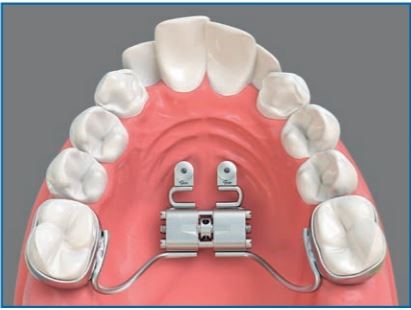
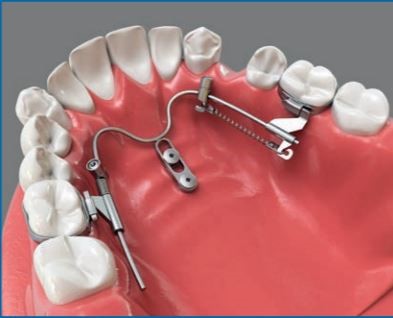
   

Skeletal Anchorage in Orthodontic Treatment, Benefit System, Orto Trading


Every appliance that doesn't use rubber bands is a self-ligating appliance, but not every self-ligating appliance is a Damon appliance.

Back

Warsaw Ochota

Address:
ul. Dorotowska 9
02-347 Warsaw

Phone: +48 501 328 772

E-mail: recepcja@ddclinic.pl

Opening hours:
Monday - Friday: 9:00 - 20:00
Saturday: closed

Warsaw Ursynów

Adres:
ul. Migdałowa 10 lok.5
02-796 Warszawa

Telefon: +48 502 070 050

E-mail: recepcjaursynow@ddclinic.pl

Godziny otwarcia:
Poniedziałek - Piątek: 12:00 - 20:00
Sobota: nieczynne

© 2026 by Dorotowska Dental Clinic All rights reserved
Tworzenie stron internetowych - Jellinek Tworzenie stron internetowych - Jellinek